
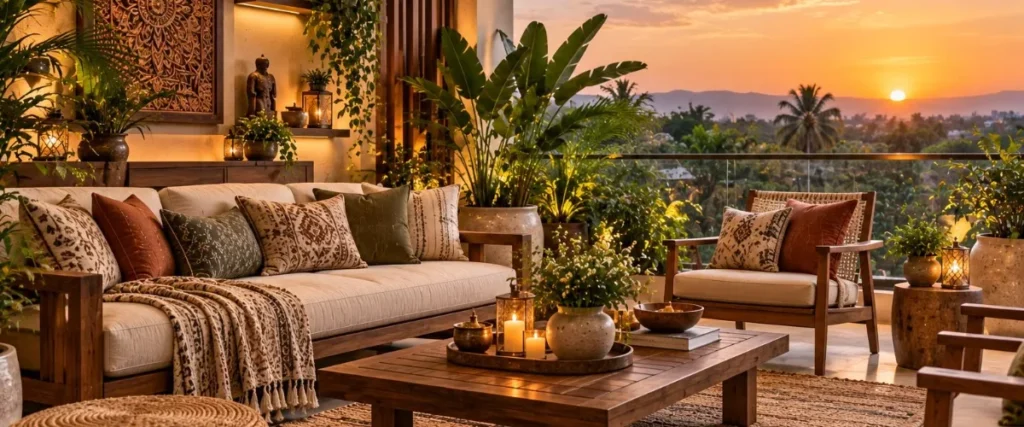
Interior design is undergoing an interesting shift in 2026. Homes are moving away from picture-perfect spaces designed around rigid rules and precise measurements. Instead, the focus is turning towards personality, comfort, natural materials, warm colours, craftsmanship, and meaningful objects.
A home is more than four walls and expensive furniture. It is a reflection of the people who live there—their personality, experiences, memories, and lifestyle.
Rather than creating interiors simply because they look beautiful in photographs, the emerging approach is to design spaces that feel comfortable, calming, lived-in, and personal.
According to an Outlook India article featuring insights from designer Sheena Rawla, these are nine interior design trends expected to influence homes in 2026.
In this article
Trend 01Gentle Clutter
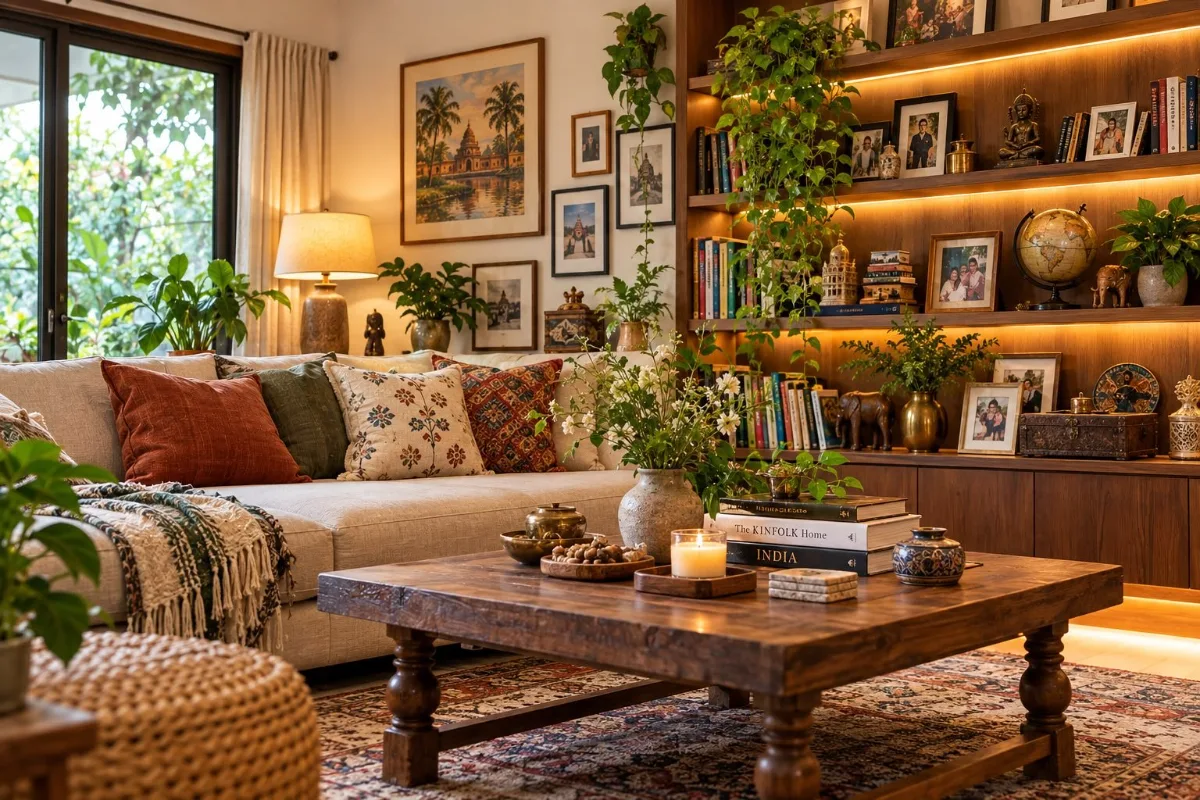
Don’t mistake this for a messy home.
“Gentle clutter” is about displaying objects that actually mean something to you rather than hiding everything away in pursuit of a perfectly minimal interior.
Well-read books, favourite coffee mugs, souvenirs collected during travels, family photographs, artwork, and inherited objects can all become part of your décor.
The idea is simple: your home should tell your story.
Instead of looking like a showroom, it should feel like someone genuinely lives there.
Trend 02Natural Materials
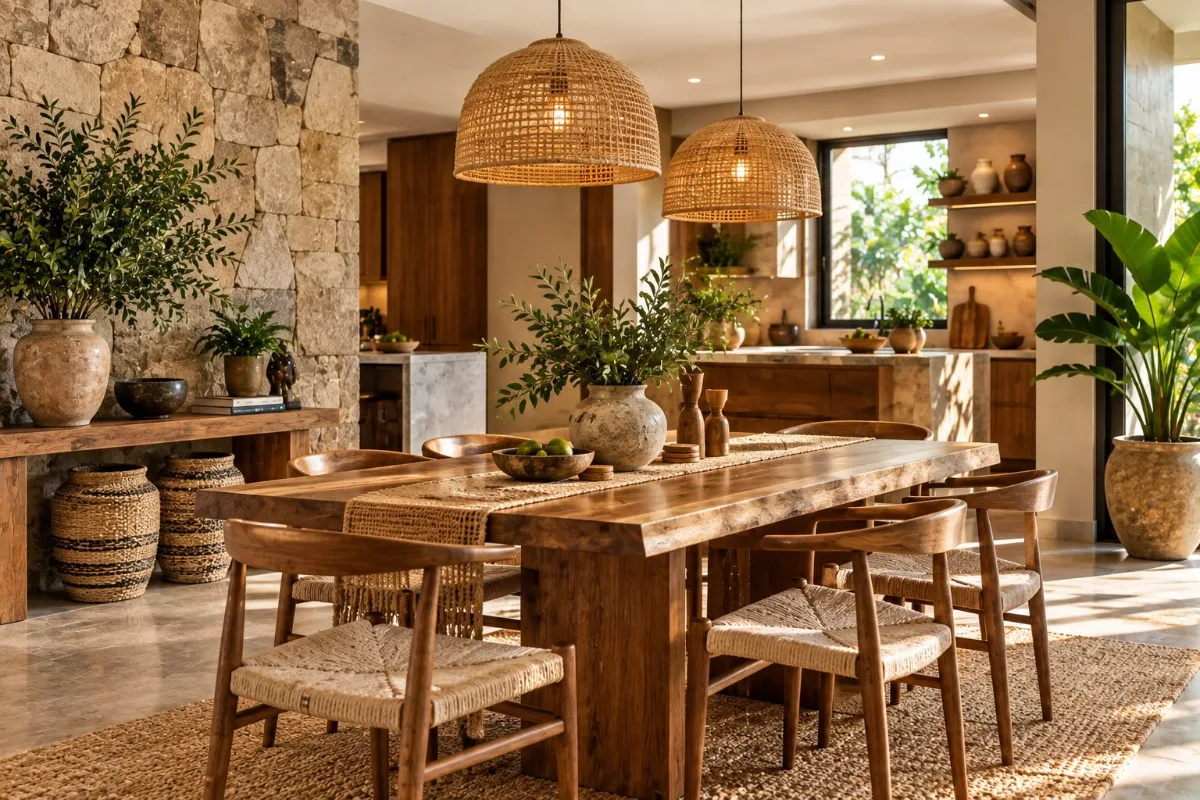
Natural materials are expected to become even more prominent in interiors.
Stone, plaster, timber, linen, clay and other naturally textured materials introduce warmth and character into a room.
Rather than perfectly smooth and artificial-looking surfaces, homeowners are increasingly embracing natural grains, subtle imperfections and tactile finishes.
These materials can help create interiors that feel grounded, comfortable and connected to nature.
Trend 03Lighting as an Emotional Experience
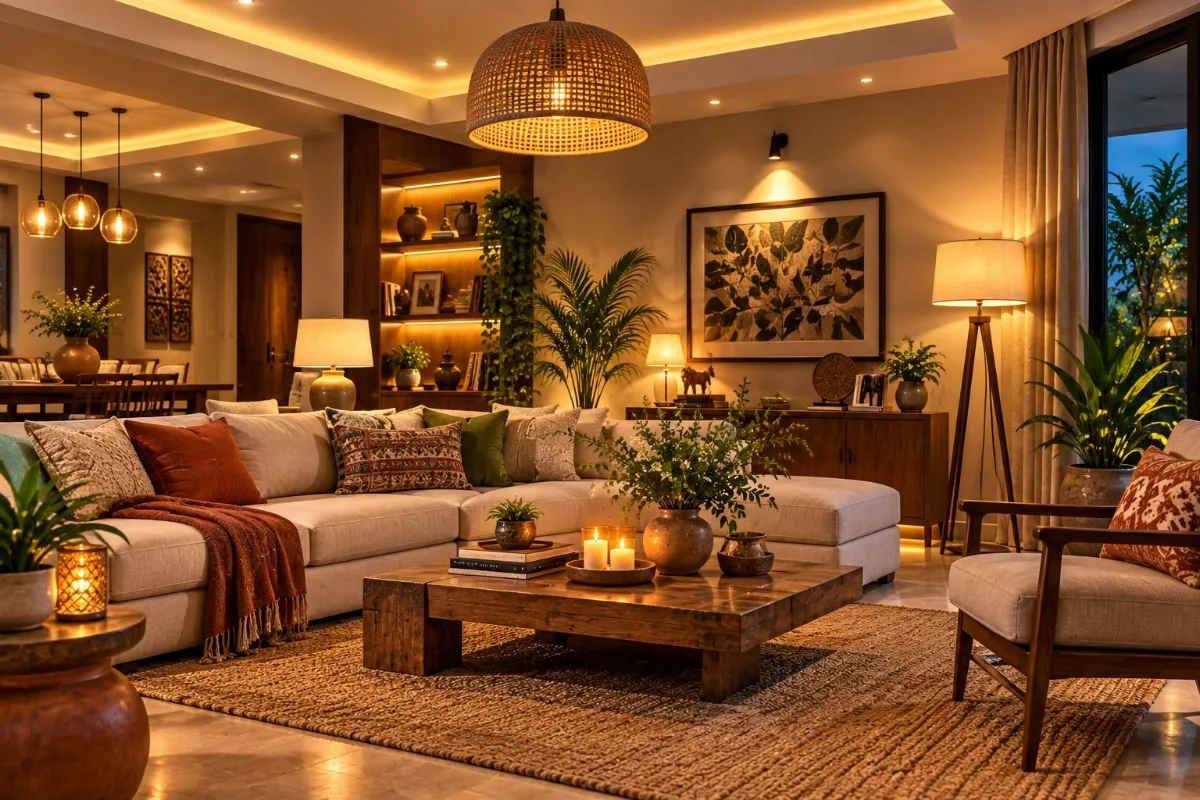
Lighting is no longer simply about making a room bright enough.
It is increasingly being used to influence how a space feels.
Instead of depending on one central ceiling light, homes can incorporate multiple layers of lighting through pendant lights, floor lamps, table lamps, wall lights and concealed lighting.
During the day, brighter lighting can make spaces feel energetic and functional. In the evening, softer and warmer lighting can completely change the atmosphere, creating a calm and welcoming environment.
Good lighting design allows the same room to create different moods throughout the day.
Trend 04The Soft Return of Ornament
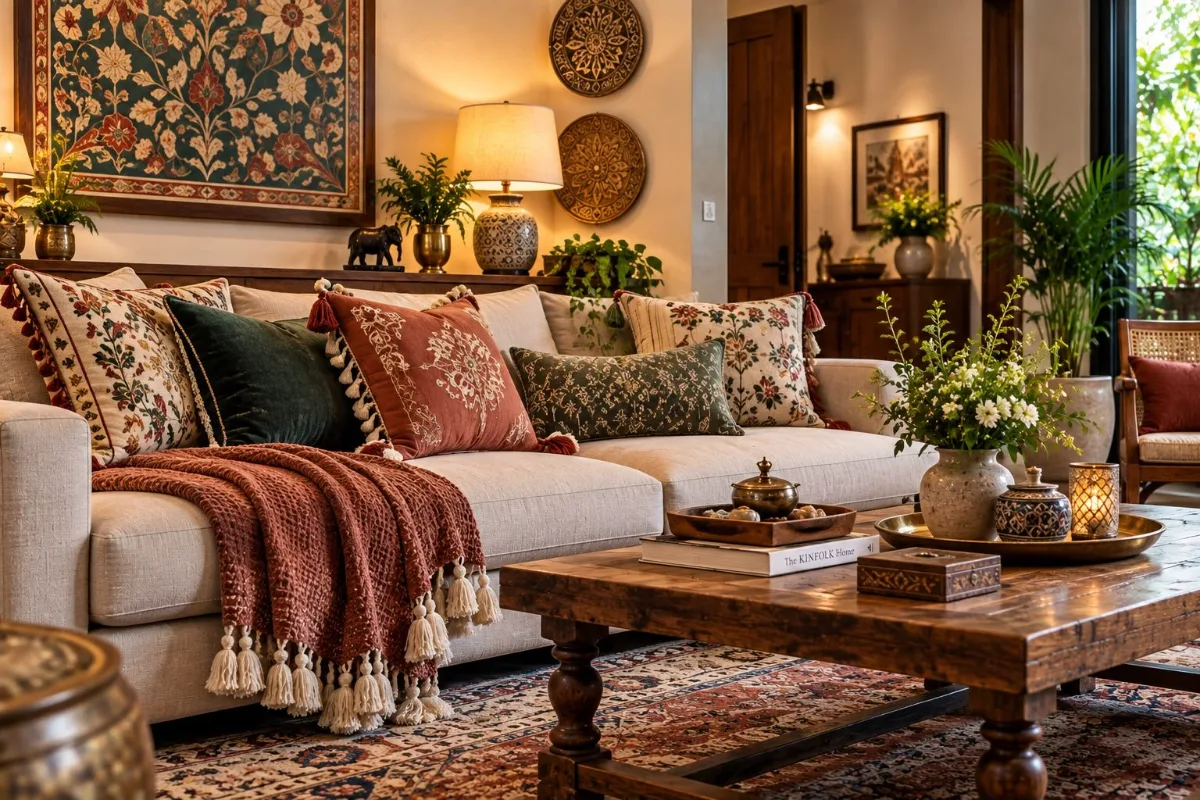
Decorative details are slowly making their way back into contemporary interiors—but in a much more subtle form.
Rather than excessive decoration, small details can introduce personality and movement.
Think of:
- Delicate edging on cushions
- Tassels on lampshades
- Fringed upholstery
- Decorative trims
- Textured fabrics
- Subtle handcrafted details
These small additions can prevent minimalist interiors from feeling overly sterile while still maintaining a sophisticated appearance.
Trend 05Quiet Craftsmanship
Quality doesn’t always need to demand attention.
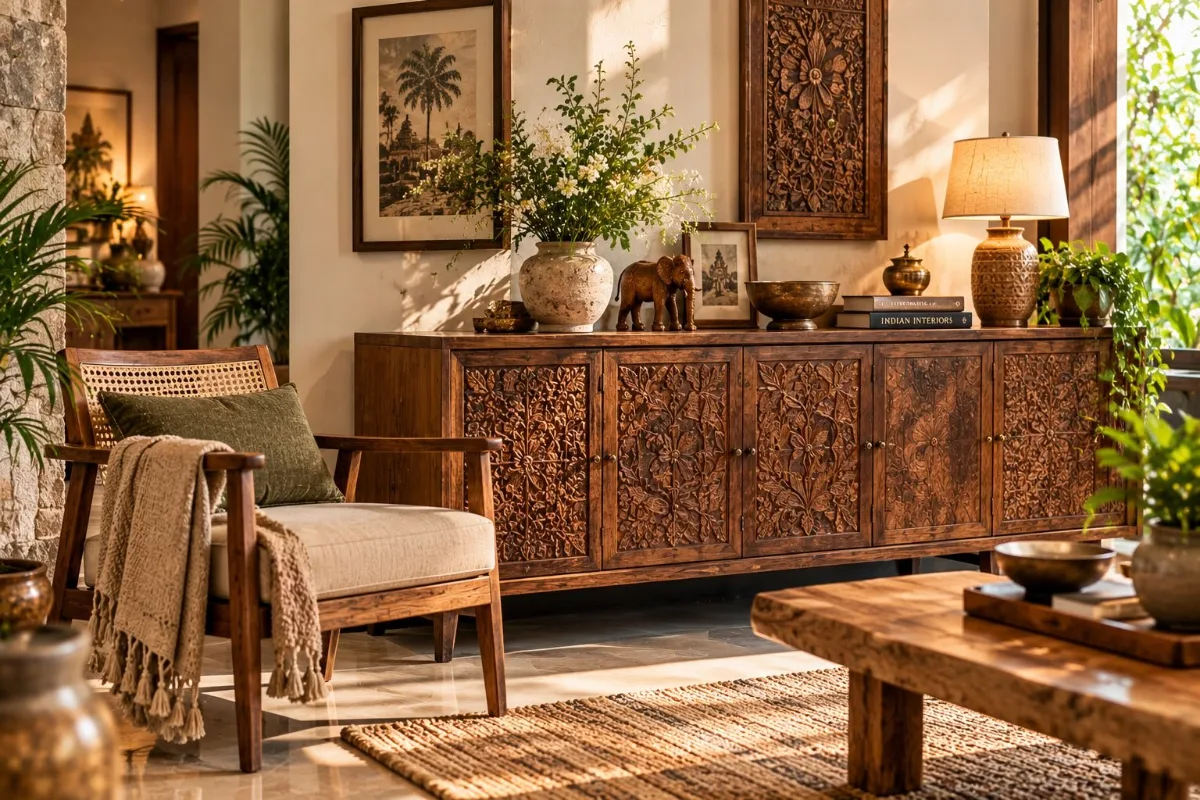
One of the emerging design philosophies focuses on beautifully made furniture and objects whose craftsmanship becomes more apparent the longer you use them.
Instead of choosing pieces simply because they immediately look impressive, homeowners may increasingly value good materials, thoughtful construction, durability and skilled craftsmanship.
A well-made wooden table, handcrafted chair or carefully finished cabinet can remain relevant for decades rather than following a short-lived trend.
Trend 06Warm Neutrals
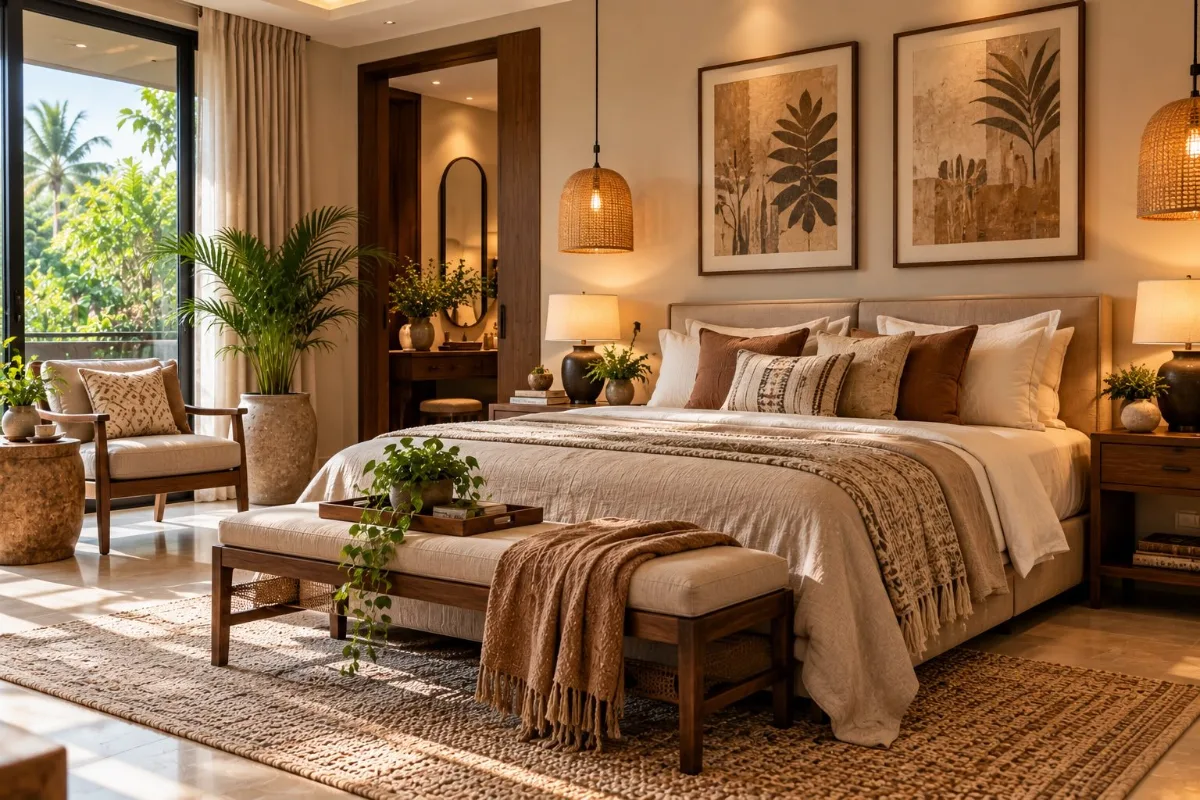
Cold whites and stark grey interiors are gradually giving way to warmer neutral tones.
Cream, warm white, beige, sand, oatmeal and soft taupe can create a much more relaxing atmosphere.
Designers can also layer several shades from the same colour family to give a room depth without making it visually busy.
The result is an interior that feels calm, sophisticated and comfortable—a welcome contrast to increasingly fast-paced lifestyles.
Trend 07The Rise of Rich Browns
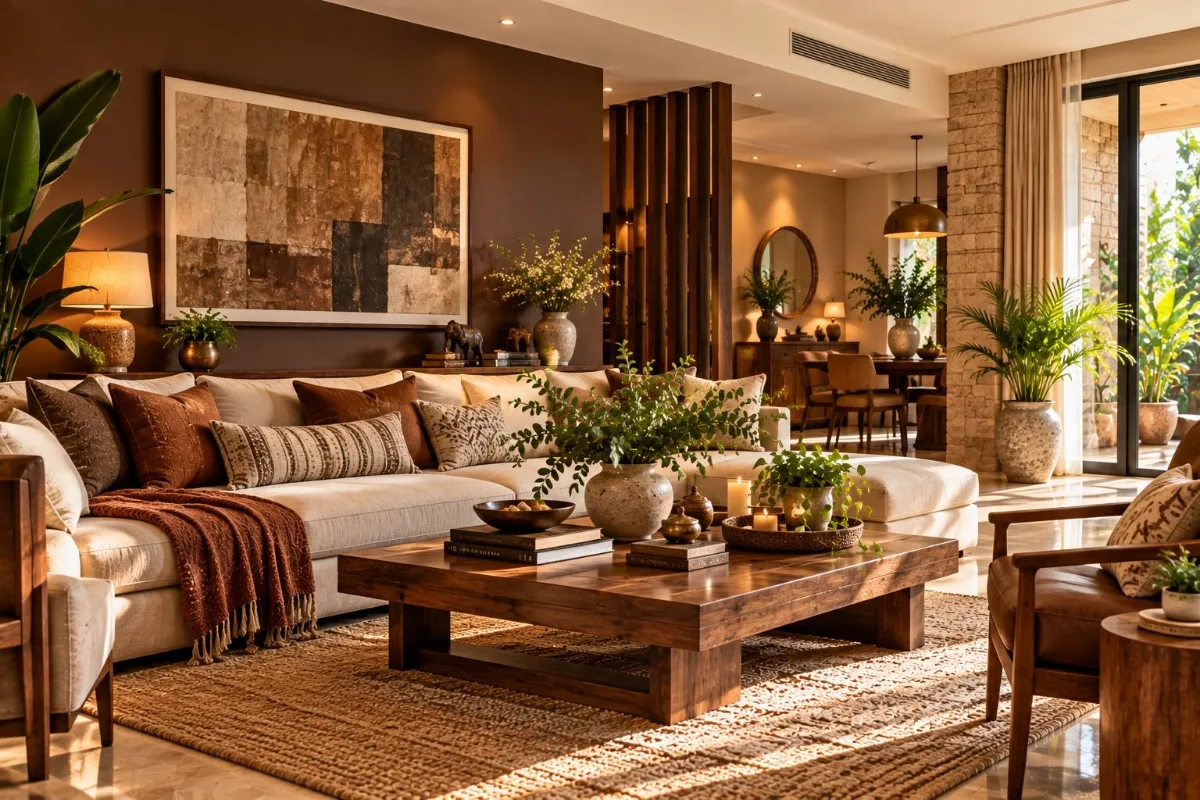
Dark brown is emerging as an interesting alternative to black.
Chocolate, espresso, walnut and other deep brown shades can be introduced through furniture, cabinetry, wall finishes, doors and decorative elements.
Unlike black, which can sometimes create a sharper contrast, rich brown tones bring depth while retaining a sense of warmth.
Combined with natural timber, stone, warm lighting and neutral fabrics, these colours can create particularly luxurious interiors.
Trend 08Sun-Faded Palettes
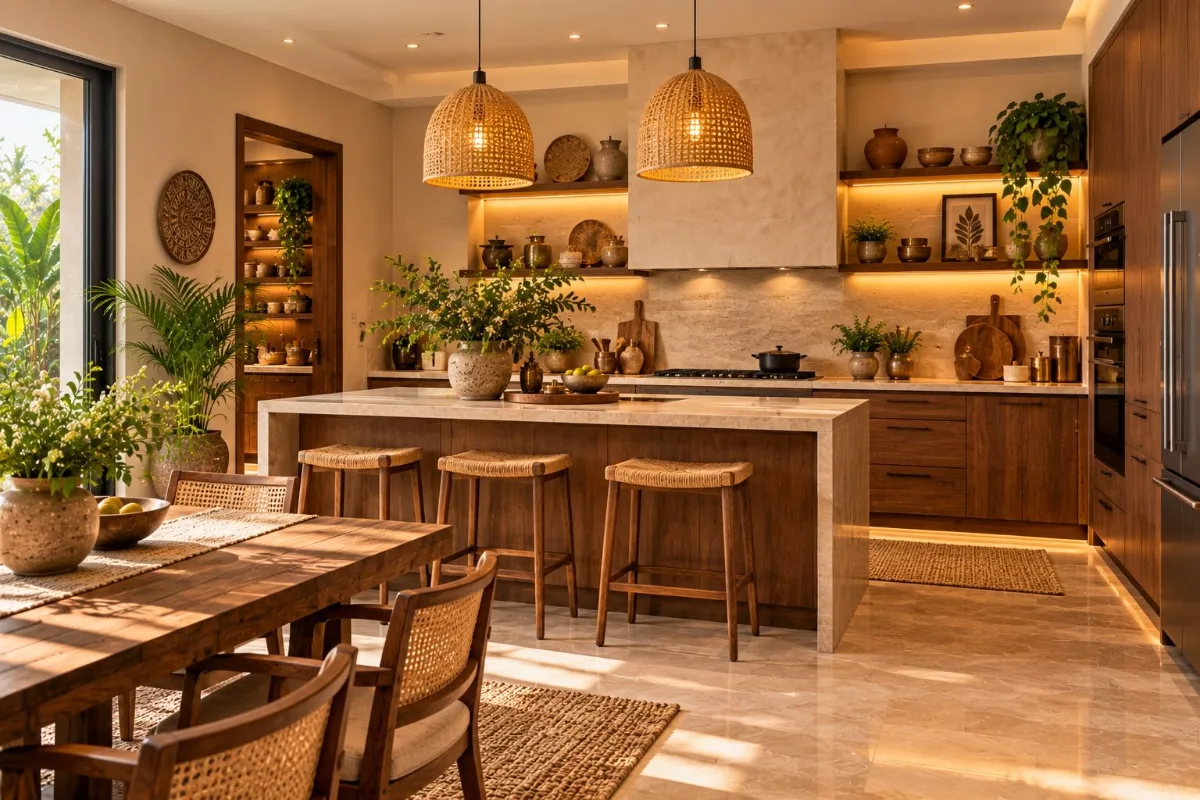
Perfectly saturated colours aren’t the only way to bring colour into a home.
Soft shades that appear slightly faded by sunlight are becoming increasingly attractive.
Think muted mustard, dusty terracotta, faded olive green, soft clay and weathered earthy tones.
These colours have an aged, relaxed quality that can make a newly designed room feel more established and comfortable.
They also work particularly well alongside natural materials such as wood, stone, linen and clay.
Trend 09Confident Eclecticism
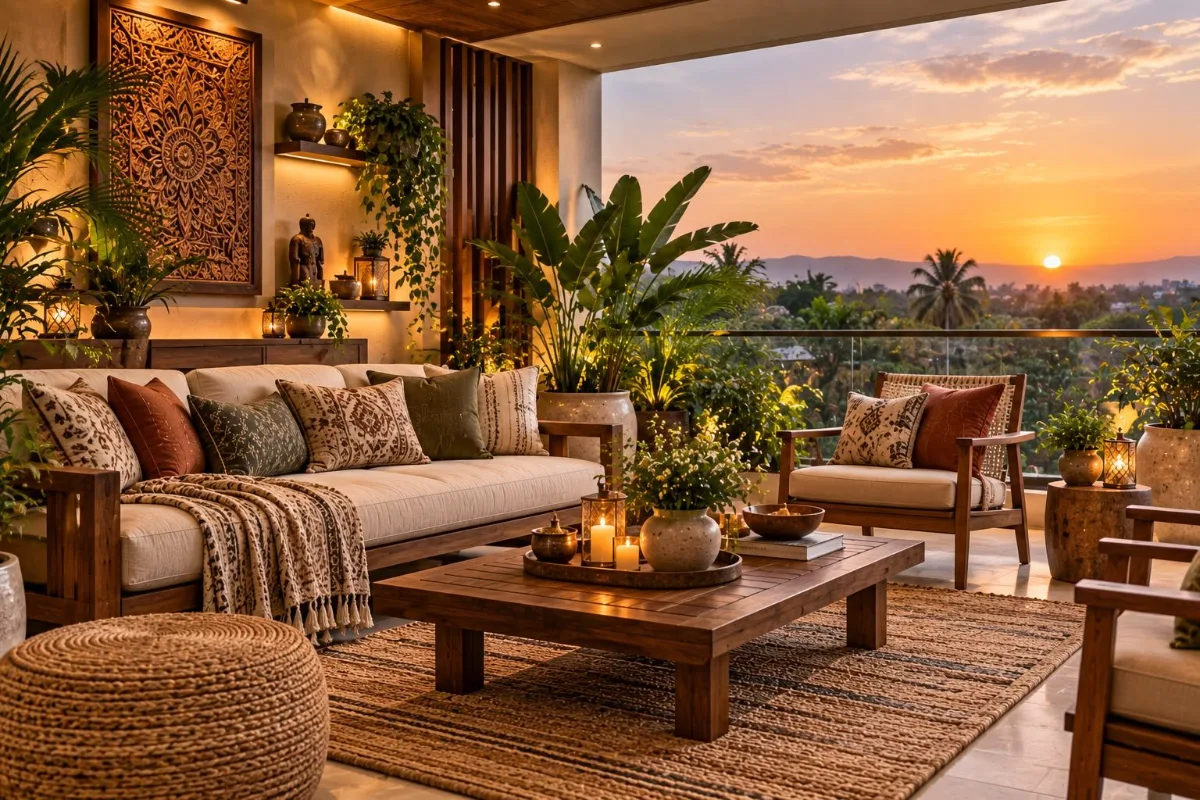
Perhaps the most personal trend of all is the freedom to mix different design periods and styles.
A contemporary sofa can sit alongside an antique rug. A modern dining table can be paired with an inherited chair. Traditional artwork can appear in an otherwise contemporary room.
The goal isn’t to make everything match.
It is to create a space where seemingly different objects work together because they have meaning to the people living there.
When done thoughtfully, this mixture can produce interiors that are difficult to replicate—because the design reflects an individual’s own experiences, travels, family history and taste.
The Bigger Interior Design Trend for 2026
The biggest change may not be a particular colour, furniture style or material.
It is the movement away from designing homes according to rigid rules.
The homes of 2026 are becoming warmer, more tactile and more personal. Natural materials, layered lighting, meaningful objects, craftsmanship, softer colours and a mixture of old and new can all contribute to spaces that feel genuinely lived in.
Ultimately, a beautiful home doesn’t necessarily need to look perfect.
It needs to feel like yours.
Source Credit
Adapted and translated into English from the original Telugu article, which references an Outlook India feature on 2026 interior design trends and insights from designer Sheena Rawla. Credit for the original reporting and concepts belongs to the respective original publisher and contributors.
This English version has been translated, reorganised and edited for readability and presentation.